

When to Get Pet Insurance for a Puppy (and What Waiting Costs You)
The best age to insure a puppy, when coverage kicks in during its first year, and what a few months’ delay can cost.
How pet insurance works in the US and when it pays off: deductibles, reimbursement rates and annual limits, waiting periods, pre-existing conditions, what policies cover and exclude, and why premiums go up. Worked examples use typical US vet prices. New to pet insurance? Start with how pet insurance works.
The best age to insure a puppy, when coverage kicks in during its first year, and what a few months’ delay can cost.

How pet insurance annual limits work, the options each insurer offers, when a $5,000 or $10,000 cap runs out on real vet bills and who needs unlimited coverage.

What a 70%, 80%, 90% or 100% pet insurance reimbursement rate means, how payouts are calculated, which insurers offer each and when the higher rate pays off.

How a pet insurance deductible works, annual vs. per-condition, the options each insurer offers and how to pick one, with worked examples on real vet bills.

Why is my pet insurance going up? Usually age, vet price inflation and local claims, not your own claims. See how Trupanion rates change and what to do.
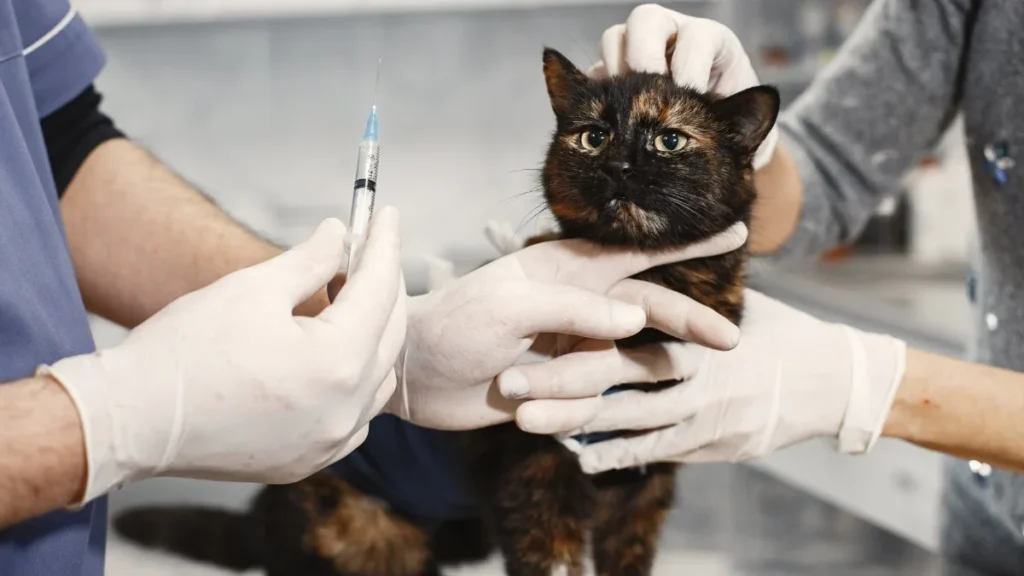
Pet insurance pays for accidents and illness; wellness plans pay toward checkups, vaccines and cleanings. See costs, the payback math and when you need both.

Pet insurance for accidents costs about $16 a month for a dog vs. $70 for full coverage. See what accident-only plans cover, exclude and who should buy one.

Pet insurance doesn’t cover spaying or neutering, but some wellness plans pay $150 to $250 toward it. See which insurers help and the cheaper ways to pay.

Pet insurance rarely covers cleanings, but most policies cover a broken tooth. See which insurers cover gum disease and extractions, and how much they pay.

Pet insurance costs about $70 a month for dogs and $36 for cats. See 2026 dog and cat insurance costs by insurer, breed, age and state, and what they cover.