
Insurance guide, not financial advice. Prices and policy terms come from public sources and change often, so check the details of your own policy. Last reviewed October 22, 2026. How we research
In this guide
- Quick answer
- What counts as a pre-existing condition
- Curable vs. incurable: when an old problem can be covered again
- Four situations that catch owners out
- If your pet already has a condition
- How to keep conditions from becoming pre-existing
- The bottom line
- Frequently asked questions
- How we researched this
- Sources
Quick answer
None of the major U.S. pet insurers we checked covers a condition your pet already had before coverage started, or showed signs of during the waiting period. A diagnosis isn’t needed; a symptom noted in the records is enough. There are two important exceptions. Many insurers will cover a curable condition again if it stays symptom- and treatment-free for 6 to 12 months. And your pet stays covered for new, unrelated problems.
| Insurer | Can a cured condition be covered again? | Knee and ligament rule |
|---|---|---|
| ASPCA | Yes, after 180 days free of symptoms and treatment | A knee or ligament condition before coverage means future ones aren’t covered |
| Embrace | May be, after 12 consecutive months free of symptoms and treatment | Bone and joint issues count as incurable; the other side isn’t covered if one side was affected |
| Healthy Paws | Yes, after 365 days free of symptoms and treatment | If one cruciate ligament was injured before enrollment or in the waiting period, the other leg is excluded |
| Lemonade | Yes, after 12 months without symptoms or treatment, in most states | Knee and ligament conditions can never count as cured |
| Fetch | Yes, after 1 year completely symptom-free | A cruciate tear before enrollment makes the other side pre-existing |
| Trupanion | No; pre-existing conditions are never covered | A recurrence of a pre-coverage injury counts as pre-existing |
Sources: each insurer’s own website, checked September 2026. Rules vary by state; the policy document decides.
Chronic and incurable conditions stay excluded for life. Examples include diabetes, cancer, allergies, thyroid problems and most joint disease. That’s why the best time to insure a pet is before anything shows up in its records.
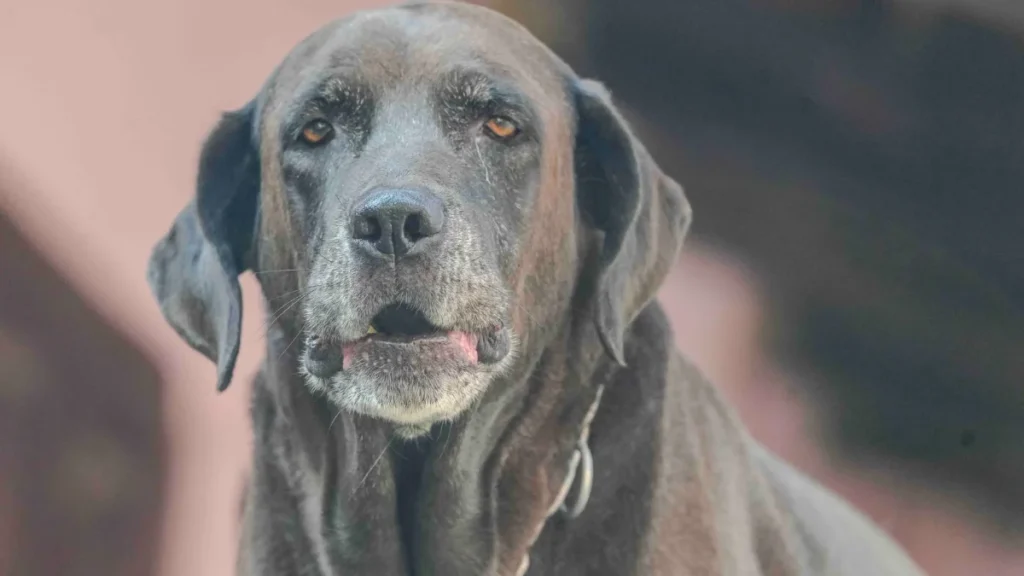
What counts as a pre-existing condition
A condition is pre-existing if a vet advised on it, it was treated, or there were signs or symptoms before your coverage started or during the waiting period. That’s the definition in the NAIC Pet Insurance Model Act, the template for state pet insurance laws. Insurers word it slightly differently, and the differences matter:
| Insurer | How it defines pre-existing | How far back it looks |
|---|---|---|
| Embrace | Any injury, illness or abnormality noticed by you or your vet before the policy started, even without a vet visit | Full 12-month medical history before the policy |
| Healthy Paws | First occurred or showed signs before coverage started; no diagnosis needed | Not stated on its coverage page |
| Lemonade | Any illness, health issue or sign your pet developed before the waiting period ended | The last 12½ months of records |
| ASPCA | First occurred or showed symptoms before coverage or during a waiting period | Not stated on its guide |
| Trupanion | Signs or evidence of a condition within 18 months before the policy or during waiting periods | 18 months, with records from every vet your pet has seen |
| Fetch | Conditions before enrollment | 1 year of records |
Sources: each insurer’s website; NAIC Pet Insurance Model Act.
How insurers find out
Insurers read your pet’s medical records, usually when you file your first claim. Lemonade, for example, doesn’t require records to sign up but needs them to process claims. Trupanion collects records from every vet and specialist who has treated your pet and may call past clinics. Anything written in the chart can count, for example a note that the owner reported limping.
Your records decide, not your application. The chart notes decide, not your memory, so read your pet’s records before you buy. Then you’ll know what is likely to be excluded.
What renewal can’t do
Under the Model Act, a condition your policy has already covered can’t become pre-existing when the policy renews. Once your insurer has paid for, say, your dog’s allergies, it can’t exclude them next year as pre-existing. The protection only applies to your current policy, not a new one.
Curable vs. incurable: when an old problem can be covered again
If a condition was temporary and has fully cleared up, most insurers we checked will treat it as new if it comes back after a symptom-free stretch. Chronic conditions never qualify.
| Insurer | Symptom- and treatment-free period needed | Never counts as cured |
|---|---|---|
| ASPCA | 180 days | Knee and ligament conditions |
| Healthy Paws | 365 days in a row | The other cruciate ligament if one was injured before enrollment |
| Embrace | 12 consecutive months (“may cover”) | Bone and joint issues, allergies, cancer, diabetes, thyroid imbalances, urinary crystals or blockages, other chronic conditions |
| Lemonade | At least 12 months, in most states | Knee or ligament conditions and chronic conditions |
| Fetch | 1 year completely symptom-free | Bilateral orthopedic conditions such as the other cruciate |
| Trupanion | Not applicable | All pre-existing conditions stay excluded |
Sources: ASPCA Pet Health Insurance; Healthy Paws; Embrace; Lemonade; Fetch; Trupanion; checked September 2026.
What “cured” means in practice: no symptoms and no treatment, including medication, for the whole period, and your pet’s records should show it. A recheck visit that notes the problem has resolved can help. Fetch, for example, asks for an annual vet exam after the first year and before the condition ever returns.
An example of how it plays out. Say your dog was treated for an upset stomach two months before you bought a Healthy Paws policy. That episode, and a return of the same problem within 365 days of it clearing up, would be excluded. If the problem returns after 365 days with no symptoms and no treatment, it can be covered as a new condition. A diagnosis of diabetes before enrollment, by contrast, would stay excluded for life.
Fetch gives a second chance. If a curable condition returns during the first year, Fetch starts the clock again. If it returns in the second year too, it’s excluded for good.
Four situations that catch owners out
1. Both knees, both hips: bilateral conditions
If one cruciate ligament tore before you bought the policy, most insurers we checked won’t cover the other knee either. Healthy Paws, Fetch and Embrace all say so. ASPCA goes further: any knee or ligament condition before coverage means future ones won’t be covered. With TPLO surgery at $3,500 to $6,000 per knee, it’s one of the most expensive exclusions. See our guide to TPLO surgery costs.
2. Symptoms during the waiting period
Anything that shows up during the waiting period is treated as pre-existing. Embrace says so explicitly, and ASPCA’s and Lemonade’s definitions include the waiting period. Illness waiting periods usually run 14 to 30 days, and orthopedic waits can be longer. A limp noticed on day 10 can mean a knee is excluded for life. See our guide to waiting periods.
3. Switching insurers
A new insurer treats everything already in your pet’s records as pre-existing, including conditions your old policy was paying for. The Model Act’s renewal protection only applies to the policy you already have. Before you switch to save on premiums, list your pet’s current and past conditions and check which ones the new insurer would exclude.
4. “Related” conditions
Insurers decide whether a new problem is linked to an old one. Trupanion, for example, may cover a new condition related to a prior injury if its claim specialists find a “medical disconnect” between them. A previous skin problem and a new ear infection could go either way. If a claim is denied as pre-existing, ask your vet for a note explaining whether the two are medically separate, and ask the insurer to review it.
If your pet already has a condition
Insurance can still be worth it for everything else. Plan separately for the condition itself. ASPCA notes that pets with pre-existing conditions stay eligible for coverage of other future injuries and illnesses. Trupanion points out that older pets are more likely to develop new problems, which would be covered.
| Your situation | What insurance can do | How to pay for the existing condition |
|---|---|---|
| A curable problem that has cleared up | Covers it again after 6–12 symptom-free months, depending on the insurer | Keep records showing it has resolved |
| A chronic condition (allergies, diabetes, arthritis) | Covers new, unrelated injuries and illnesses | A savings fund, prescription discounts, and charities such as The Pet Fund for chronic care and the Brown Dog Foundation for medications |
| A knee problem on one side | Covers everything except knee and ligament problems (depending on the insurer) | Budget for the second knee; ask about financing before you need it |
| Tight budget | An accident-only plan (average $190 a year for dogs, $112 for cats in 2025) covers new injuries | Financing or charity for the chronic condition |
Sources: ASPCA; Trupanion; NAPHIA State of the Industry 2026; The Pet Fund; Brown Dog Foundation.
Ways to cut the cost of an ongoing condition:
- Ask your vet for a “good, better, best” plan, as PetMD suggests, and ask which tests are needed now and which can wait.
- Compare prescription prices. PetMD suggests online pharmacies and discount programs; ask your vet to write a prescription you can fill elsewhere.
- Spread the cost with a payment plan or financing; see our vet financing guide.
- Look for grants. The Pet Fund helps with chronic conditions such as heart disease and diabetes, and the Brown Dog Foundation helps with medications. See financial assistance for vet bills.
How to keep conditions from becoming pre-existing
The only reliable way is to insure early, before anything appears in your pet’s records, and to keep the policy without a break.
- Enroll young and healthy. A puppy or kitten has the shortest medical history, so there’s less to exclude.
- Read your pet’s records before you apply. Ask your vet for the chart notes from the past 12 to 18 months, the period insurers such as Embrace and Trupanion review, and look for anything noted, even in passing.
- Don’t wait until something seems wrong. At some insurers, such as Embrace, signs you noticed yourself count as pre-existing even without a vet visit. A problem that first appears after the waiting period is a new condition.
- Use the waiting-period waiver where it exists. In states that follow the NAIC Model Act, a vet exam can waive waiting periods. Healthy Paws, for example, waives its 15-day illness wait and its hip dysplasia wait with a complete exam in 16 states.
- Don’t let coverage lapse or switch casually. A new policy starts the pre-existing clock again; renewal protection only applies to the policy you have.
- Get resolved problems documented. If a temporary condition clears up, a recheck note saying so helps you qualify under curable-condition rules later.
Use the free-look period to check. Under the Model Act, you have 15 days after receiving the policy to review it and get your premium back if you haven’t claimed. Read the pre-existing and bilateral clauses in that window. See how pet insurance works for the rest of the policy.
The bottom line
Pet insurance won’t pay for what your pet already has, but it still covers everything new, and some old problems can come back into coverage. Check each insurer’s curable-condition rule (ASPCA needs 180 days symptom-free, most others 12 months) and its knee and ligament rule before you compare prices. The cheapest way to avoid exclusions is to insure early and keep the same policy.
Frequently asked questions
Does pet insurance cover pre-existing conditions?
Not the condition itself. The major U.S. insurers we checked exclude anything your pet showed signs of before coverage started or during the waiting period. Many will cover a curable condition again once it has been symptom- and treatment-free for 6 to 12 months.
What counts as a pre-existing condition for pet insurance?
Any illness, injury or symptom that a vet noted, treated or advised on, or that showed signs, before coverage started or during the waiting period. A formal diagnosis isn’t required, and at Embrace even signs you noticed yourself count.
Can a pre-existing condition ever be covered?
Yes, if it’s curable and has fully cleared up. ASPCA covers it again after 180 days without symptoms or treatment; Healthy Paws, Embrace, Lemonade and Fetch after about 12 months. Chronic conditions and, at several insurers, knee and ligament problems never qualify. Trupanion never covers pre-existing conditions.
Is a torn ACL on one leg pre-existing for the other leg?
At several insurers, yes. Healthy Paws, Fetch and Embrace exclude the other knee if one cruciate ligament was injured before enrollment, and ASPCA excludes future knee and ligament conditions altogether.
How far back do pet insurers look at medical records?
It varies: Embrace asks for 12 months of history, Lemonade 12½ months, Fetch 1 year and Trupanion looks for signs within 18 months before the policy starts.
If I switch pet insurance, will my pet’s conditions be covered?
Usually not. A new insurer treats conditions already in your pet’s records as pre-existing, even if your old policy covered them. Renewal protection only applies to your existing policy.
Can I get pet insurance if my pet already has a condition?
Yes. Insurers will still sell you a policy and cover new, unrelated injuries and illnesses; only the existing condition, and at some insurers related or bilateral conditions, will be excluded.
How we researched this
We took each insurer’s definition, curable-condition rule, bilateral rule and records lookback from its own website (ASPCA Pet Health Insurance, Embrace, Healthy Paws, Lemonade, Fetch and Trupanion), checked in September 2026. Where an insurer’s page didn’t state a detail, we left it blank rather than rely on comparison sites. The legal definition and the renewal and free-look rules come from the NAIC Pet Insurance Model Act, which applies only in states that have adopted it. Rules vary by state and policy version, so the policy document you receive is what counts.
Sources
- NAIC: Pet Insurance Model Act
- ASPCA Pet Health Insurance: Pet insurance and pre-existing conditions
- Embrace: Pet insurance for pre-existing conditions
- Embrace: What waiting periods does Embrace have?
- Healthy Paws: Coverage and exclusions
- Healthy Paws: Frequently asked questions
- Lemonade: Pet insurance FAQ
- Fetch: Pre-existing conditions
- Trupanion: Does Trupanion cover pre-existing conditions?
- NAPHIA: State of the Industry Report 2026 highlights
- The Pet Fund: For pet owners
- PetMD: Help with vet bills
Correction (October 22, 2026): We changed the TPLO cost from $4,000–$6,000 to $3,500–$6,000 per knee, to match our TPLO cost guide.